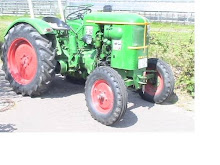
With the days of summer ending, Irish farmers will have brought in their main crop. My trusted housekeeper one year while I was still married to my farmer told me about a tradition that is kept to this day in the farming community around this time of year. A bachelor farmer would ride on his tractor to the big matchmaking festival of the year in Lisdoonvarna...and come home with a bride next to him. Lacking other opportunities in the olden days, it oftentimes was a great outlet for merrymaking for rural folks who lived rather isolated and even to find a spouse. Clare's tourist website calls it the holy grail of romance and lonely souls.
After separating from Mac as I call him here and opening my marriage bureau I had to go and see for myself if this was true and how it worked. A nice weekend out in Co. Clare, the West of Ireland anyways and I needed to do research being in the business myself.
The festival takes place for almost 4 weeks from September to October. I went with one of my employees to check out the local scene and also met with the big name in the business, Bill Daly. He was THE matchmaker of some renown who claimed to be responsible for thousands of marriages. As the new kid on the block who was making an all year round professional business out of matchmaking, he didn't take me seriously. That year he was officially introducing his daughter as his successor-- but only for the time of the festival. No advanced dating service all over the country like mine was planned. They were merely upholding tradition.
People come from all over Ireland, Northern Ireland voices and American accents were also heard. The whole town was involved, mostly in the pubs, drinking and flirting. We attended the biggest event of them all: the election of the Bachelor of the year. After a few rounds of questions the candidates were asked to sing a song of their choice and show off their dancing skills with the lasses. After half an hour of suspended animation the room was presented with the winner. I forget his name, it's irrelevant. But what sticks in my memory is that he was found out to be a married man pulling out his ring and drawing his wife onto the dance floor, giving her a big smacker of a kiss. Nobody but my staffer and I was really outraged. Nobody but us had taken this charade seriously.A Brigadon gone terribly wrong,but the craig is mighty. You might still go for the horse racing and carousing. And the Irish are famous for having fun!
Sunday, September 25, 2011

Wednesday, August 3, 2011
Le Ferme de Paris
My home swap adventure took me to the outskirts of Paris. Nice home if a little neglected. My old farming skills come in handy. It was part of the deal to water plants. Normally easy, except most are half-dead from lack of irrigation, tomatoes and aubergines as well, however, are doing well. At the last minute, I also got the request to look after a pet rabbit and guinea pig. Cute little critters. I promise I won't set them free as I did our own bunny rabbit on the farm years ago. (see old post about Benny Bunny).
Trying to find trendy things to do in Paris, I stumbled across a few things that relate to this green blog quite unexpectedly. An article in Delta's Sky magazine recommends walking tours that start at Merciand Bonton on the Blvd. Beaumarchais."These two concept stores and restaurant will get you kitted out in the latest urban-farmer aesthetic, with profits all going to charitable causes."
And I was pleased to read about a 5-hectares working organic farm, the Ferme de Paris, allows young city dwellers to explore country life through the seasons with its meadow, stables and farmyard. You go Paris! Even I won't go there myself.
Trying to find trendy things to do in Paris, I stumbled across a few things that relate to this green blog quite unexpectedly. An article in Delta's Sky magazine recommends walking tours that start at Merciand Bonton on the Blvd. Beaumarchais."These two concept stores and restaurant will get you kitted out in the latest urban-farmer aesthetic, with profits all going to charitable causes."
And I was pleased to read about a 5-hectares working organic farm, the Ferme de Paris, allows young city dwellers to explore country life through the seasons with its meadow, stables and farmyard. You go Paris! Even I won't go there myself.
Thursday, July 28, 2011
Grooming Sheep
Well, you may have thought that chapter was tackled and done with! Not so. Besides the shearing and dipping, farmers have to trim their hooves and regularly. Otherwise they can catch some nasty foot and claw disease or lameness. Some people find it hard to do their own toe nailhttp://www.blogger.com/img/blank.gifs. It takes two people: one to hold the sheep that may weigh about 50 pounds already and the other one is wielding the clippers. I always volunteer.
When dosing them, it’s customary to mark their pelts with a colored marker in order to know which of them got their dosage already. I’m talking of Flagyl that cures the nasty fly infestation once they have occurred. The afflicted pelt also has to be brushed with some liquid generously if flies are visible and have laid eggs. If they develop into maggots, sheep often die. In this endeavor, I also opted for the struggling and holding part. I just stomach to push a big pill down a sheep’s throat which, inadvertently, it would try to regurgitate. So you want a firm hand to keep their mouths shut until they have swallowed it. Some are able to fool you. They seem to keep the pill in their cheeks until you think you‘re safe and can let go. That’s when they spit it out. Having mastered this, you give them a marking stroke with a different color.
Not every sheep makes it. I drove dead sheep –and calves for that matter- to the lab when a death had occurred. In family jeep; in the back which was carpet- lined, remember? It was a trip of about 20 miles. The stench became unbearable after five minutes. So I rolled down the windows. Then it as too cold in the car and I put the heat on. That didn’t help the aroma; mostly it rained in. I wasn’t really cut for farming. But who else would have done that errand? The lab would determine the reason why an animal died when it wasn’t obvious otherwise to the farmer.
http://www.blogger.com/img/blank.gifed for the holding part, although it is a struggle as they don’t want to cooperate. So I had to hold on with my full body weight to prevent them from shirking away from Mac’s hands. As stupid as they often appear otherwise, these sheep are quite crafty at this. Lo and behold if a nail is cut to short or the animal is slightly cut, there is no continuing till another day. And then try to find that same sheep out of a herd of a hundred. If you're interested to learn more about the subject: Hoof trimming: A Day in the Life of a Farmer
When dosing them, it’s customary to mark their pelts with a colored marker in order to know which of them got their dosage already. I’m talking of Flagyl that cures the nasty fly infestation once they have occurred. The afflicted pelt also has to be brushed with some liquid generously if flies are visible and have laid eggs. If they develop into maggots, sheep often die. In this endeavor, I also opted for the struggling and holding part. I just stomach to push a big pill down a sheep’s throat which, inadvertently, it would try to regurgitate. So you want a firm hand to keep their mouths shut until they have swallowed it. Some are able to fool you. They seem to keep the pill in their cheeks until you think you‘re safe and can let go. That’s when they spit it out. Having mastered this, you give them a marking stroke with a different color.
Not every sheep makes it. I drove dead sheep –and calves for that matter- to the lab when a death had occurred. In family jeep; in the back which was carpet- lined, remember? It was a trip of about 20 miles. The stench became unbearable after five minutes. So I rolled down the windows. Then it as too cold in the car and I put the heat on. That didn’t help the aroma; mostly it rained in. I wasn’t really cut for farming. But who else would have done that errand? The lab would determine the reason why an animal died when it wasn’t obvious otherwise to the farmer.
Sunday, July 24, 2011
Food for Thought
In the line at the store, the cashier told an older woman that she should bring her own grocery bags because plastic bags weren't good for the environment.
The woman apologized to him and explained, "We didn't have the green thing back in my day."
The clerk responded, "That's our problem today Your generation did not care enough to save our environment."
He was right -- our generation didn't have the green thing in its day.
Back then, we returned milk bottles, soda bottles and beer bottles to the store. The store sent them back to the plant to be washed and sterilized and refilled, so it could use the same bottles over and over.So they really were recycled.
But we didn't have the green thing back in our day.
We walked up stairs, because we didn't have an escalator in every store and office building. We walked to the grocery store and didn't climb into a 300-horsepower machine every time we had to go two blocks.
But she was right. We didn't have the green thing in our day.
Back then, we washed the baby's diapers because we didn't have the throw-away kind. We dried clothes on a line, not in an energy gobbling machine burning up 220 volts -- wind and solar power really did dry the clothes. Kids got hand-me-down clothes from their brothers or sisters,not always brand-new clothing.
But that old lady is right; we didn't have the green thing back in our day.
Back then, we had one TV, or radio, in the house not a TV in every room. And the TV had a small screen the size of a handkerchief (remember them?), not a screen the size of the state of Montana.
In the kitchen, we blended and stirred by hand because we didn't have electric machines to do everything for us.
When we packaged a fragile item to send in the mail, we used a wadded up old newspaper to cushion it, not Styrofoam or plastic bubble wrap.
Back then, we didn't fire up an engine and burn gasoline just to cut the lawn. We used a push mower that ran on human power. We exercised by working so we didn't need to go to a health club to run on treadmills that operate on electricity.
But she's right; we didn't have the green thing back then.
We drank from a fountain when we were thirsty instead of using a cup or a plastic bottle every time we had a drink of water.
We refilled writing pens with ink instead of buying a new pen, and we replaced the razor blades in a razor instead of throwing away the whole razor just because the blade got dull.
But we didn't have the green thing back then.
Back then, people took the streetcar or a bus and kids rode their bikes to school or walked instead of turning their moms into a 24-hour taxi service.
We had one electrical outlet in a room, not an entire bank of sockets to power a dozen appliances. And we didn't need a computerized gadget to receive a signal beamed from satellites 2,000 miles out in space in order to find the nearest pizza joint.
But isn't it sad the current generation laments how wasteful we old folks were just because we didn't have the green thing back then?
Please forward this on to another selfish old person who needs a lesson in conservation from a smart ass young person.
One reader wrote me that we are the "old" generation that invented all these things, however, in the past 20-30 years So now for you….
The woman apologized to him and explained, "We didn't have the green thing back in my day."
The clerk responded, "That's our problem today Your generation did not care enough to save our environment."
He was right -- our generation didn't have the green thing in its day.
Back then, we returned milk bottles, soda bottles and beer bottles to the store. The store sent them back to the plant to be washed and sterilized and refilled, so it could use the same bottles over and over.So they really were recycled.
But we didn't have the green thing back in our day.
We walked up stairs, because we didn't have an escalator in every store and office building. We walked to the grocery store and didn't climb into a 300-horsepower machine every time we had to go two blocks.
But she was right. We didn't have the green thing in our day.
Back then, we washed the baby's diapers because we didn't have the throw-away kind. We dried clothes on a line, not in an energy gobbling machine burning up 220 volts -- wind and solar power really did dry the clothes. Kids got hand-me-down clothes from their brothers or sisters,not always brand-new clothing.
But that old lady is right; we didn't have the green thing back in our day.
Back then, we had one TV, or radio, in the house not a TV in every room. And the TV had a small screen the size of a handkerchief (remember them?), not a screen the size of the state of Montana.
In the kitchen, we blended and stirred by hand because we didn't have electric machines to do everything for us.
When we packaged a fragile item to send in the mail, we used a wadded up old newspaper to cushion it, not Styrofoam or plastic bubble wrap.
Back then, we didn't fire up an engine and burn gasoline just to cut the lawn. We used a push mower that ran on human power. We exercised by working so we didn't need to go to a health club to run on treadmills that operate on electricity.
But she's right; we didn't have the green thing back then.
We drank from a fountain when we were thirsty instead of using a cup or a plastic bottle every time we had a drink of water.
We refilled writing pens with ink instead of buying a new pen, and we replaced the razor blades in a razor instead of throwing away the whole razor just because the blade got dull.
But we didn't have the green thing back then.
Back then, people took the streetcar or a bus and kids rode their bikes to school or walked instead of turning their moms into a 24-hour taxi service.
We had one electrical outlet in a room, not an entire bank of sockets to power a dozen appliances. And we didn't need a computerized gadget to receive a signal beamed from satellites 2,000 miles out in space in order to find the nearest pizza joint.
But isn't it sad the current generation laments how wasteful we old folks were just because we didn't have the green thing back then?
Please forward this on to another selfish old person who needs a lesson in conservation from a smart ass young person.
One reader wrote me that we are the "old" generation that invented all these things, however, in the past 20-30 years So now for you….
Saturday, July 16, 2011
Yummy berries
The abundance of fresh fruit on German markets - strawberries, raspberries, red currants--reminds me of our labor of love on the farm. In the first years after planting, these fruit bushes provided a good crop already and it was a joy picking them. The children usually ate more than they brought home in their little baskets. In the following year, however, due to lack of proper cutting and pruning the shrubs after the harvest, we had a raspberry jungle out there. Remember, we had planted every vegetable and fruit bush in rows of 50 meters length. When they multiplied, the saplings grew all over the place and in between the rows. We had fruit in abundance. The season lasts for about four weeks in which they had to be picked every day, at the peak of the season for approx. 4 hours a day. After a couple of days, this activity loses its attraction for children. Adults- in this case me!- persevere out of a sense of obligation. Nothing should go to waste, as the motto goes. I remember one breezy day where the 5ft high raspberry canes where swaying in the wind. A picker then should have three hands: one to hold the basket, one to hold the cane and one to pick the fruit. I offered friends and neighbors to come and pick their own.I wasn't even charging for fruit like many a commercial grower these days advertises: Pick your own and pay by the pound.
The reaction I got was less than enthusiastic.Yes, they would love some fruit. Could I please drive by their house and deliver? Fat chance. So I kept going as much as I could, making jams or just freezing them for use at a later date.
The reaction I got was less than enthusiastic.Yes, they would love some fruit. Could I please drive by their house and deliver? Fat chance. So I kept going as much as I could, making jams or just freezing them for use at a later date.
Friday, July 8, 2011
The sheep or me....
As I'm currently traveling in Europe and writing about that experience, www.Intrepidhomeswappers.blogspot.com, it's hard to find the time to keep up my various blogs. We are staying in a German house whose owners have a sheep skin (fleece) in their bed. Since this story ties in nicely with my previous sheep related blog posts , I thought I'd throw in this anecdote. We bought our fleece when by son was born in the very cold winter of 85-86. We put it in his pram to keep him warm with day time temperatures well blow zero.Then the sheep skin found its way into my bed during cold winter nights.After a while Mac,(my Ex),protested. Why he hated it to be there I never found out. "It's either the sheep or me- one of us has to leave the bed!" I let the sheep go.
That's what a full fleece looks like. When we had our sheep shorn, we never went for that.You only get them, when a sheep is butchered.
As I'm currently traveling in Europe and writing about that experience, www.Intrepidhomeswappers.blogspot.com, it's hard to find the time to keep up my various blogs. We are staying in a German house whose owners have a sheep skin (fleece) in their bed. Since this story ties in nicely with my previous sheep related blog posts , I thought I'd throw in this anecdote. We bought our fleece when by son was born in the very cold winter of 85-86. We put it in his pram to keep him warm with day time temperatures well blow zero.Then the sheep skin found its way into my bed during cold winter nights.After a while Mac,(my Ex),protested. Why he hated it to be there I never found out. "It's either the sheep or me- one of us has to leave the bed!" I let the sheep go.
That's what a full fleece looks like. When we had our sheep shorn, we never went for that.You only get them, when a sheep is butchered.

That's what a full fleece looks like. When we had our sheep shorn, we never went for that.You only get them, when a sheep is butchered.
As I'm currently traveling in Europe and writing about that experience, www.Intrepidhomeswappers.blogspot.com, it's hard to find the time to keep up my various blogs. We are staying in a German house whose owners have a sheep skin (fleece) in their bed. Since this story ties in nicely with my previous sheep related blog posts , I thought I'd throw in this anecdote. We bought our fleece when by son was born in the very cold winter of 85-86. We put it in his pram to keep him warm with day time temperatures well blow zero.Then the sheep skin found its way into my bed during cold winter nights.After a while Mac,(my Ex),protested. Why he hated it to be there I never found out. "It's either the sheep or me- one of us has to leave the bed!" I let the sheep go.
That's what a full fleece looks like. When we had our sheep shorn, we never went for that.You only get them, when a sheep is butchered.

Thursday, June 30, 2011
Dipping Sheep

Sheep require a bit more attention and "Personal hygiene" beyond the shearing I described in my last post. In order to avoid external parasites such as itch mite, blow-fly, ticks and scab that can easily kill a sheep, the farmer has to dip them in some preventive medicine. There are two broad classes of sheep dip: organophosphorus compounds, from which chemical warfare agents were later developed, and synthetic pyrethroids. If you read a British veterinary law issued by HSE (Health& Safety Executive) you understand the degree if toxicity and harmfulness involved, both to humans and animals: "Everyone who will be involved in the dipping operation must be properly trained and competent. This is just as important whether you use an organophosphorous (OP) sheep dip of a synthetic pyrethroid (SP) sheep dip.
Under the Veterinary Medicines Regulations 2006 it is an offense to use sheep dip unless this is done by, or under the supervision and in the presence of, a person who holds a Certificate of Competence in the Safe Use of Sheep Dips."
So that was out for us organic farmers!
An organic farmer has to use his husbandry skills to control pests: free range conditions, keep stocking rates low,rotate grazing sites. These measures also help decrease the need of deworming--another labor-some procedure. More care and inspection of the individual animal is required by the organic sheep farmer, e.g. by maintaining a closed flock (no bought-in stock) which also help prevent disease. In other words:Organic farming again is more labor intensive.
Monday, June 20, 2011
Hair cut for Sheep
In late spring and early summer it's high time to get your sheep shorn.I'm afraid this year I left it almost too late! But then again, Klkenny still had a touch of snow last week; in June!
At first, the sheep don't seem to be too hot or look like they need a haircut but with the arrival of flies the thick winter fleece becomes a danger to the animals. Maggots easily infest a flock of sheep and that's trouble no farmer wants to deal with. We had a neighbor who offered his services. Mick always did his own and had experience. Shearing was done outside on the yard. The sheep have to be rounded up by an able dog first. Our Brandy had talent for this job. She clearly enjoyed nipping the sheep in their legs too while rounding them up and circling them all the time to keep them in check. Where she had learned it--we didn't know. It was in her blood, whereas later off spring of hers was useless.
The shearer holds a sheep between his legs while a second is needed to keep the struggling sheep still. Mostly they are not very cooperative in spite of the sense of relief afterwards.Zip, zip, zip and off flies the wool. To get the fleece in one piece is impossible. They must come from slaughtered sheep. In the olden days it was worth to collect the wool but at that time we were in the "business", prices were too low to bother. We still had to pick up the wool and stuff them into bags because the dogs would make a right mess and have way too much fun with it. Fertilizer bags are the bags of choice like for many other jobs, collecting windfall apples, even for sleighing down a hill which merely has a sprinkle of snow.
It's a smelly job. Sheep have a certain odor, their lanolin imbued wool does too and so do the men at work after a while. On a hot day, it can be quite overwhelming for the delicate nose of a city girl. After a while and typical hints from the shearers, drink is fetched. This type of work makes you hungry as well.
In the following years, when we had about 100 sheep we needed professional help if this social outing wasn't going to take all week.
I always felt sorry for the sheep afterwards when the weather was still on the chilly side. They looked like starved skeletons, naked and unappealing. But they usually frolicked shortly after the ordeal. After that they should receive a dip in a medicine infused bath to prevent the dreaded parasites. Which is an ordeal in itself.
At first, the sheep don't seem to be too hot or look like they need a haircut but with the arrival of flies the thick winter fleece becomes a danger to the animals. Maggots easily infest a flock of sheep and that's trouble no farmer wants to deal with. We had a neighbor who offered his services. Mick always did his own and had experience. Shearing was done outside on the yard. The sheep have to be rounded up by an able dog first. Our Brandy had talent for this job. She clearly enjoyed nipping the sheep in their legs too while rounding them up and circling them all the time to keep them in check. Where she had learned it--we didn't know. It was in her blood, whereas later off spring of hers was useless.
The shearer holds a sheep between his legs while a second is needed to keep the struggling sheep still. Mostly they are not very cooperative in spite of the sense of relief afterwards.Zip, zip, zip and off flies the wool. To get the fleece in one piece is impossible. They must come from slaughtered sheep. In the olden days it was worth to collect the wool but at that time we were in the "business", prices were too low to bother. We still had to pick up the wool and stuff them into bags because the dogs would make a right mess and have way too much fun with it. Fertilizer bags are the bags of choice like for many other jobs, collecting windfall apples, even for sleighing down a hill which merely has a sprinkle of snow.
It's a smelly job. Sheep have a certain odor, their lanolin imbued wool does too and so do the men at work after a while. On a hot day, it can be quite overwhelming for the delicate nose of a city girl. After a while and typical hints from the shearers, drink is fetched. This type of work makes you hungry as well.
In the following years, when we had about 100 sheep we needed professional help if this social outing wasn't going to take all week.
I always felt sorry for the sheep afterwards when the weather was still on the chilly side. They looked like starved skeletons, naked and unappealing. But they usually frolicked shortly after the ordeal. After that they should receive a dip in a medicine infused bath to prevent the dreaded parasites. Which is an ordeal in itself.
Saturday, June 11, 2011
Not neglecting you...
I hope there were some responses to the request for help on this Clare smallholding! I'd love to hear about it.
Sorry for neglecting this blog for almost 3 weeks. I've been busy promoting my novel:Next Time Lucky. It is available on Amazon. both as a paperback now and an eBook. I wish I could publish my memories of our Irish farming life in a similar fashion. So far I made it into a coffee table book which is too expensive to produce and sell. $35 plus shipping $ 9.99 from the publisher. Even though there is a big interest in having it done. The idea behind it really was to keep the memory alive for my children.
If anybody has connections to a producer of coffee table books, I'd appreciate if you could let me know. Until then it remains a blog and gets put into print for family and special friends. I will continue this blog with a story about our bonhams (pronounced bonnefs =Irish for piglets). A charming vignette and of big importance, especially to my son, Patrick.
In the meantime, here in Florida the summer heat progresses. Unimaginable steam-room conditions that people in Ireland can only imagine in their wildest dreams.
Sorry for neglecting this blog for almost 3 weeks. I've been busy promoting my novel:Next Time Lucky. It is available on Amazon. both as a paperback now and an eBook. I wish I could publish my memories of our Irish farming life in a similar fashion. So far I made it into a coffee table book which is too expensive to produce and sell. $35 plus shipping $ 9.99 from the publisher. Even though there is a big interest in having it done. The idea behind it really was to keep the memory alive for my children.
If anybody has connections to a producer of coffee table books, I'd appreciate if you could let me know. Until then it remains a blog and gets put into print for family and special friends. I will continue this blog with a story about our bonhams (pronounced bonnefs =Irish for piglets). A charming vignette and of big importance, especially to my son, Patrick.
In the meantime, here in Florida the summer heat progresses. Unimaginable steam-room conditions that people in Ireland can only imagine in their wildest dreams.
Subscribe to:
Posts (Atom)